When it comes to maintaining a green lawn or a lush garden, planting aids can be a big help.
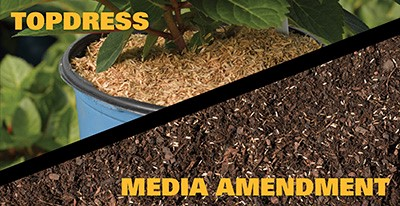
Rice hulls are a popular substrate for gardening since they absorb liquid and are an environmentally sustainable drainage option. In fact, they are one of the most sustainable soil amendments available for greenhouse growers because they help improve drainage, water holding capacity, and aeration.
Many people prefer rice hulls because it is a sustainable and renewable source, which is a growing trend in the landscaping world. Here’s everything you need to know about this valuable planting aid:
WHAT ARE RICE HULLS?
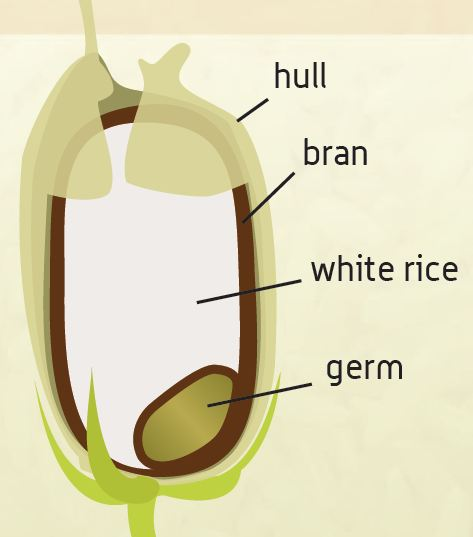
Rice hulls are the hard outer covering — also known as the husk — of the rice kernel. Most often, the rice hulls protect the seed during the growing season, which forms from hard materials like opaline, silica, and lignin.
We know that rice has been around for hundreds of years, but rice hulls are a relatively “recent” development. Hulls weren’t truly useful until 1885 when the modern rice-hulling machine was invented in Brazil.
This machine expedited the milling process, in which the hulls are removed from the raw grain. Before today’s rice-hulling machine, people used a method called winnowing (or rice pounders) to separate the rice from the shells (or hulls).
These separated rice hulls have many uses within the agricultural industry, especially when mixed with seeds, such as:
Ensuring a more uniform coverage when seeding a mixture of different sized seeds
Slow the rate of seed application done that is performed by a seed drill
Prevents creation of fluffy seeds in the drill
Additionally, rice hulls are the desired planting aid because they’re ideal for sustainable gardening.
Erosion control is an umbrella term for methods of preventing or controlling erosion in agriculture, land development, and coastal areas. Erosion control methods are important to help prevent pollution, soil loss, habitat loss, and property loss.
Rice hulls help prevent soil erosion from wind or water. In this case, soil loss can result without some control technique. The effects of soil erosion can cause barren land and pollution and sedimentation in rivers, which creates a decline in fish. Infertile lands are unable to hold on to as much water as fertile lands, which increases the likeliness for flooding and can directly affect habitats and property.
So although rice hulls are small, they play an intricate role in preventing soil erosion and stopping these drastic results from occurring.
HOW ARE RICE HULLS USED?
Aside from agriculture, rice hulls are a useful tool for creating:
– Ash – Toothpaste – Brewing – Fireworks – Fuel – Juice extraction – Pet food fiber – Pillow stuffing – Insulating material – Particle boards and cardboard
As mentioned, rice hulls are ideal because they decay over time. They can be composted, but their high lignin content makes it a slow process. However, earthworms are often used to accelerate the process, which is why they do so well in soil and can convert into fertilizer within four months.
Rice hulls are also used as a substrate for gardening, including hydroculture. They don’t affect plant growth regulation, but are helpful in the fact that they allow drainage and retain less water than growstones.
ARE RICE HULLS BETTER THAN OTHER SOIL AMENDMENTS?
Rice hulls are a great planting aid to many other soil amendments. For starters, they are more sustainable than popular additives like peat moss and coco coir,
Plus, no matter how much extra you add, it’s never harmful — and more can even be helpful if your soil is drying out. Rice hulls also help your soil hold a neutral pH, whereas peat moss and coco coir are especially acidic.
And since rice hulls break down after one season, they are excellent in terms of adding organic matter to your soil. Not all soil amendments do so, which means they might require additional monitoring and maintenance.
CONTACT OUR EXPERTS TODAY
Seeds come in many shapes, sizes, and weight — so the most effective strategy to ensure that seed is applied accurately is to use planting aids like rice hulls.
Since a diverse combination of seeds can result in separation, rice hulls help hold them together and spread more uniformly. They are also an excellent option for soil erosion control, retaining water and soil health, and are a helpful gateway to sustainability.
Rice hulls for seed mixing is an effective way to go for gardening and agricultural purposes, so when you are ready to make this step in your landscaping journey, contact the professionals at vipoor We have been in the business for over 30 years and have seen every type of job, offering efficient solutions each and every time.